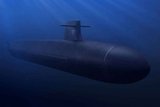
Stockholm prepares to choose between three European frigate proposals
On 13 April, Navantia pointed to the guarantee of delivering two ALFA 4000 units in 2030 and the other two in 2031. (Photo: Navantia)
Sweden’s Luleå frigate programme is gathering momentum, with a Saab and Babcock joint proposal and Navantia and Naval Group each presenting distinct propositions for a quartet of warships.


With a decision from Stockholm anticipated in 2026, three European contenders – Saab in partnership with the UK’s Babcock, Spain’s Navantia and France’s Naval Group – are each proposing frigate designs that reflect markedly different platform sizes, combat system architecture and industrial cooperation.
Sweden is preparing to select a design for four new multi‑role frigates under its Luleå programme, providing a higher-end complement to the Visby-class corvettes. First deliveries are targeted around 2030 with a contract decision expected this year.
The Swedish Ministry of Defence (MoD) framed the programme in operational terms. A spokesperson told Shephard that the
Our news & analysis is now part of Defence Insight®
A Basic-level or higher Defence Insight subscription is now required to view this content.

More from Naval Warfare
-
![How France’s SNLE 3G programme is reshaping the naval nuclear industrial base]()
How France’s SNLE 3G programme is reshaping the naval nuclear industrial base
Extending far beyond a four-submarine replacement programme, France’s ballistic missile submarine effort is a decades-long industrial initiative designed to preserve the country’s ability to build and sustain nuclear-powered strategic platforms.
-
![China’s mineral processing dominance exposes naval supply chain vulnerabilities]()
China’s mineral processing dominance exposes naval supply chain vulnerabilities
Competition for critical minerals, and China’s dominance of their processing, is emerging as a decisive factor in future naval procurement programmes.
-
![Suppliers await next step in Australia’s mine warfare transition]()
Suppliers await next step in Australia’s mine warfare transition
Australia’s mine countermeasure capability remains in flux as the Huon-class nears retirement, but accelerated investment in autonomous systems is opening a path for industry.
-
![Can the US Navy ask Indo-Pacific allies to do more while training with them less?]()
Can the US Navy ask Indo-Pacific allies to do more while training with them less?
As the Iran War draws US ships and marine corps units away from the Indo-Pacific, curtailed exercises and a temporary carrier gap are exposing tensions between Washington’s demand for more self-reliant allies and the joint training needed to realise that ambition.