


“Capital follows confidence” as defence courts private money
Outside investment and the direction in which venture money flows may reveal what defence will buy years before formal programmes begin.


Panasonic Avionics Corporation has been selected to provide inflight entertainment systems on three Airbus A320s owned by Tel Aviv-based Israir Airlines.
The aircraft are being equipped with the Panasonic Digital Multiplexed Passenger Entertainment System (DMPES), an overhead system. One aircraft has already been outfitted.
Panasonic’s DMPES is an audio and video distribution inflight entertainment system for narrowbody aircraft such as the A320. The system incorporates Panasonic’s X Series System, which reduces space, weight and power when compared with traditional overhead systems. The 10.4” touchscreen crew panel has been developed to provide a user-friendly and easy access point for the crew.
“We are very pleased to have Israir as a new customer and are looking forward to working closely with them to manage and support their IFEC system,” remarked Paul Margis, chief executive officer of Panasonic Avionics. “Israir’s selection of Panasonic’s inflight entertainment system will help strengthen the airline’s competitive advantage by taking the inflight experience to a higher level for its passengers.”
“We are very impressed with Panasonic’s global support network, and having local support based in Tel Aviv was important in our decision to choose the Panasonic DMPES,” explained Tamir Jacoby, service manager at Israir. “Also, the quality and innovation of the product is in line with the high expectations of our passengers, who want a rich and seamless ground-to-air inflight entertainment experience.”

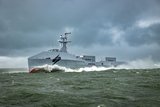
Outside investment and the direction in which venture money flows may reveal what defence will buy years before formal programmes begin.

The Department of National Defence expects initial contracts to deliver thousands of uncrewed systems, but has yet to establish the quantities, capability mix or deadline behind Ottawa’s promised tenfold expansion.
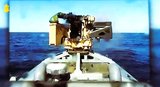
The company told Shephard that Ukraine is operating modified Protector weapon stations originally supplied for armoured vehicles, with human operators authorising engagements from hundreds of kilometres away.

A report from the Council on Geostrategy argues the UK should move away from a traditional balanced force and shift investment to naval, air and space capabilities, backed by a larger fleet of attack submarines and deeper AUKUS integration.

At its technology summit in London, attended by Shephard, Thales UK examined the importance of speed to delivery, the growing focus on cross-domain capabilities and how procurement reform could be crucial for future battlefield advantage.

Are all systems ready for the next mission? Have upgrades been applied? Are all assets aligned to deploy together, on time and fully prepared? In modern defence operations, readiness is no longer measured platform by platform. It is measured by how well people, assets, data and decisions move together — across land, sea and air.

Connect with us on socials


