


Global Ordnance and Sparkz disclose plans for 500,000 US-made UAV batteries a year
The companies have outlined plans for US$25 million manufacturing lines and initial deliveries in 2027 as Washington tightens restrictions on Chinese UAV components.


Aircell has appointed Michael Small as president and CEO of the company, with current president and CEO, Ron LeMay, returning to the position of chairman of the board previously held prior to 24 July 2009.
Small is a 29-year veteran of the communications industry, having recently served as chief executive officer and director of Centennial Communications Corporation. Prior to joining Centennial, he served as executive vice-president and chief financial officer of 360 Degrees Communications Company from 1995 to 1998. Before that, he served as president of Lynch Corporation, a diversified acquisition-oriented company with operations in telecommunications, manufacturing and transportation services.
“Aircell represents a great opportunity for me to lead a rapidly growing communications company that will revolutionise inflight connectivity and entertainment,” Small commented. “I am excited to take on this role working with a talented team of people to build on and extend the success Aircell has achieved.”
Over the past year, Aircell has steadily increased the daily number of aircraft deployed with its Gogo Inflight Internet service, and is now providing service on more than 717 commercial aircraft, with commitments from a total of nine airlines. Aircell recently crossed its two millionth customer milestone and is poised to continue its accelerated growth into the future.
Jack Blumenstein, current chairman, will continue to serve on the board.


The companies have outlined plans for US$25 million manufacturing lines and initial deliveries in 2027 as Washington tightens restrictions on Chinese UAV components.
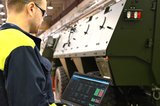
Patria OPTIME is a sustainment concept that integrates MRO and lifecycle services into one solution, powered by the ILIAS digital defence platform
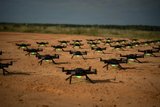
US Air Force, Army, Marine Corps and Special Operations Command initiatives signal demand for interoperable uncrewed systems control, creating opportunities for suppliers of hardware, software and integration services.

In Conversation… The geopolitical landscape is increasingly uncertain, with the UK and its allies confronting the most unpredictable international environment for decades. To adapt, defence readiness must begin long before assets reach the front line, forging a resilient support enterprise that can thrive in a time of ongoing disruption, argue the partners of Team ORION.

In conversation… Everfox’s Chairman and Chief Executive Officer Dave Wajsgras and Managing Director, International, Colin McKinty discuss the critical importance of information security in defence, minimising insider risk and the company’s international growth strategy with Shephard’s Andrew White.

In Conversation… Shephard’s Andrew White talks to Zafer Şen, CEO and co-founder of OBSS, about the future of command-and-control software in the age of artificial intelligence, and his company’s ambitions in the UK defence market.

Connect with us on socials


