


Patria OPTIME and ILIAS: Orchestrating operational readiness across every domain
Patria OPTIME is a sustainment concept that integrates MRO and lifecycle services into one solution, powered by the ILIAS digital defence platform


ExpressJet Holdings, Inc, parent company of regional and charter airline operator, ExpressJet Airlines, has signed an agreement with United Airlines covering 22 ERJ 145 aircraft for United Express service effective 1 December 2009.
This signed agreement finalises the previously announced successful bid by ExpressJet to replace flying done by other United Express partner carriers whose contracts have expired. An additional 10 ERJ 145 aircraft, sourced from ExpressJet’s corporate aviation fleet, were added through an amendment to the agreement and will begin operating for United Express on 1 May this year.
ExpressJet ended January 2010 with ten aircraft in operation for United Express. ExpressJet has issued a monthly fleet plan for United Express for the first-half of 2010. This sees the company adding six aircraft in February, taking the total operating as United Express to 16. Six more will be added in March (total 22) with another 10 being introduced in May for a mid-year total of 32.
The agreement has an initial term of three years (expiring 30 April 2013) for 11 aircraft and two years (expiring 30 April 2012) for the remaining 11 aircraft, and will have a renewal option, at United’s election, for additional periods up to a total term of five years.
From May 2010 through to December 2010, ExpressJet will fly up to 10 additional aircraft for United Express in the current ExpressJet livery. United will have the option to renew the operation of these aircraft for up to four additional periods of not less than thirty days per renewal period. United must notify ExpressJet of its intention to renew for the initial renewal period no later than 15 June 2010 for the first six supplemental aircraft and 15 August for the remaining four additional aircraft.
In an effort to provide United with increased flexibility, the amendment to the agreement allows United to extend the renewal deadline for each aircraft upon certain terms and conditions. If the renewal option is not exercised, the ten aircraft will be removed from service and placed into ExpressJet’s corporate aviation (charter) operation.
ExpressJet expects that full-year block hours within its contract flying segment should increase between 10% and 15% as a result of this flying for United, and that run-rate expectations will be established during third quarter 2010 after all the aircraft are in place and start-up costs, including paint, interior modifications and aircraft positioning, are complete. Future operating statistics will be categorised as contract for reporting purposes and revenues associated with United will be recorded as passenger revenues.
As part of the agreement, on 17 February 2010, ExpressJet issued a warrant to United for the purchase of 2.7 million shares of common stock with an exercise price of $0.01 per share of common stock.

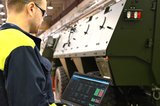
Patria OPTIME is a sustainment concept that integrates MRO and lifecycle services into one solution, powered by the ILIAS digital defence platform

US Air Force, Army, Marine Corps and Special Operations Command initiatives signal demand for interoperable uncrewed systems control, creating opportunities for suppliers of hardware, software and integration services.

In Conversation… The geopolitical landscape is increasingly uncertain, with the UK and its allies confronting the most unpredictable international environment for decades. To adapt, defence readiness must begin long before assets reach the front line, forging a resilient support enterprise that can thrive in a time of ongoing disruption, argue the partners of Team ORION.

In conversation… Everfox’s Chairman and Chief Executive Officer Dave Wajsgras and Managing Director, International, Colin McKinty discuss the critical importance of information security in defence, minimising insider risk and the company’s international growth strategy with Shephard’s Andrew White.

In Conversation… Shephard’s Andrew White talks to Zafer Şen, CEO and co-founder of OBSS, about the future of command-and-control software in the age of artificial intelligence, and his company’s ambitions in the UK defence market.
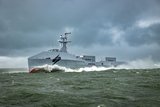
Outside investment and the direction in which venture money flows may reveal what defence will buy years before formal programmes begin.

Connect with us on socials


