


“Capital follows confidence” as defence courts private money
Outside investment and the direction in which venture money flows may reveal what defence will buy years before formal programmes begin.


Embraer and Aeroplex representatives during the MoU signing ceremony. (Photo: Embraer)
Embraer and Aeroplex have signed an MoU to cooperate on a project to qualify the latter company as an Embraer Authorized Service Center in Hungary.
The broader goal for Embraer is to support and enable Aeroplex to provide line and intermediate maintenance to the KC-390 Millennium air-to-air refuelling and transport aircraft, two of which have been ordered for the Hungarian Air Force in the configuration.
Leonardo Lopes Ferrucci, head of Embraer Defense & Security Hungary, claimed: ‘The local MRO capability will become an operational advantage for the Hungarian KC-390s support after the entry into service.’
Embraer in August 2021 opened an office in the Hungarian capital Budapest, as the Brazilian company aims to establish new partnerships in select markets with local industry collaboration.
The first KC-390 for Hungary is scheduled to be delivered in 2024. Shephard Defence Insight calculates a unit price of $85 million for the aircraft.
NATO-compatible KC-390s will not only use a probe and drogue system to refuel Hungarian Air Force JAS 39 Gripen multirole fighter aircraft, but they will also be capable of performing medevac or humanitarian missions with an onboard intensive care unit.

Outside investment and the direction in which venture money flows may reveal what defence will buy years before formal programmes begin.

The Department of National Defence expects initial contracts to deliver thousands of uncrewed systems, but has yet to establish the quantities, capability mix or deadline behind Ottawa’s promised tenfold expansion.
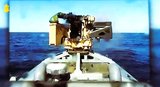
The company told Shephard that Ukraine is operating modified Protector weapon stations originally supplied for armoured vehicles, with human operators authorising engagements from hundreds of kilometres away.
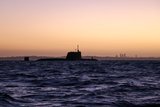
A report from the Council on Geostrategy argues the UK should move away from a traditional balanced force and shift investment to naval, air and space capabilities, backed by a larger fleet of attack submarines and deeper AUKUS integration.

At its technology summit in London, attended by Shephard, Thales UK examined the importance of speed to delivery, the growing focus on cross-domain capabilities and how procurement reform could be crucial for future battlefield advantage.

Are all systems ready for the next mission? Have upgrades been applied? Are all assets aligned to deploy together, on time and fully prepared? In modern defence operations, readiness is no longer measured platform by platform. It is measured by how well people, assets, data and decisions move together — across land, sea and air.

Connect with us on socials


