


“Capital follows confidence” as defence courts private money
Outside investment and the direction in which venture money flows may reveal what defence will buy years before formal programmes begin.


The European Low Fares Airline Association (ELFAA) has announces that in 2009 its members carried 162.5 million passengers – an 8.7% increase on the previous year.
“These figures show clearly how ELFAA members are bucking the trend in the aviation sector when it comes to passenger numbers,” observed John Hanlon, secretary-general of ELFAA. “It also demonstrates beyond any doubt that the economic crisis need not be an excuse for airlines to go cap in hand to governments pleading for unjust cash injections.”
ELFAA said its members also led the way in job creation, taking on an additional 3,000 permanent employees in Europe last year, an increase of 12.5% on 2008. The Association added that this “further underscores the fact that the low-fare airline sector is well on the way to becoming the principal player in European aviation”.

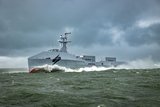
Outside investment and the direction in which venture money flows may reveal what defence will buy years before formal programmes begin.

The Department of National Defence expects initial contracts to deliver thousands of uncrewed systems, but has yet to establish the quantities, capability mix or deadline behind Ottawa’s promised tenfold expansion.
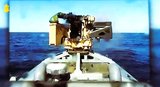
The company told Shephard that Ukraine is operating modified Protector weapon stations originally supplied for armoured vehicles, with human operators authorising engagements from hundreds of kilometres away.

A report from the Council on Geostrategy argues the UK should move away from a traditional balanced force and shift investment to naval, air and space capabilities, backed by a larger fleet of attack submarines and deeper AUKUS integration.

At its technology summit in London, attended by Shephard, Thales UK examined the importance of speed to delivery, the growing focus on cross-domain capabilities and how procurement reform could be crucial for future battlefield advantage.

Are all systems ready for the next mission? Have upgrades been applied? Are all assets aligned to deploy together, on time and fully prepared? In modern defence operations, readiness is no longer measured platform by platform. It is measured by how well people, assets, data and decisions move together — across land, sea and air.

Connect with us on socials


