


“Capital follows confidence” as defence courts private money
Outside investment and the direction in which venture money flows may reveal what defence will buy years before formal programmes begin.


AirAsia has acquired a 30% equity stake in VietJet Aviation JSC (VietJet Air) to create a Vietnam-based joint venture low-fare airline named VietJet AirAsia which will operate under the AirAsia brand.
The Ministry of Transportation of Vietnam approved the share acquisition on 9 February 2010. The formation of Vietjet AirAsia makes Vietnam AirAsia’s fourth country base, following Malaysia, Thailand and Indonesia.
VietJet AirAsia will be operating both domestic and international flights and is currently finalising details regarding routes, frequencies and launch of flights.
AirAsia’s Group CEO Tony Fernandes has made known for a long time his vision of the airline being recognised as a true ASEAN carrier and this joint venture expands its reach into Vietnam, opening another gateway into the ASEAN region.
His new partners at VietJet commented, “The birth of VietJet AirAsia contributes to the diversification of the aviation market in Vietnam, providing more options to meet the air travel needs of people in Vietnam and in the region. The joint venture is a well-balanced combination of the management system, technical expertise, long-term experience in the airline industry, crew and international brand of AirAsia, and the financial strength, as well as Vietnamese market insights of VietJet Air.”
Licensed in the air transport sector in December 2007 with the initial capital of 600 billion dong, VietJet Air is the first and only aviation joint stock company in Vietnam allowed to operate both domestically and internationally. The founding shareholders of VietJet Air are the Sovico Holdings, HD Bank plus a range of experienced experts in the civil aviation industry in Vietnam.

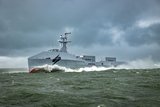
Outside investment and the direction in which venture money flows may reveal what defence will buy years before formal programmes begin.

The Department of National Defence expects initial contracts to deliver thousands of uncrewed systems, but has yet to establish the quantities, capability mix or deadline behind Ottawa’s promised tenfold expansion.
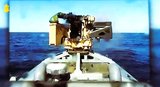
The company told Shephard that Ukraine is operating modified Protector weapon stations originally supplied for armoured vehicles, with human operators authorising engagements from hundreds of kilometres away.
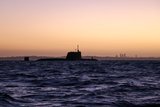
A report from the Council on Geostrategy argues the UK should move away from a traditional balanced force and shift investment to naval, air and space capabilities, backed by a larger fleet of attack submarines and deeper AUKUS integration.

At its technology summit in London, attended by Shephard, Thales UK examined the importance of speed to delivery, the growing focus on cross-domain capabilities and how procurement reform could be crucial for future battlefield advantage.
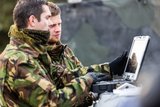
Are all systems ready for the next mission? Have upgrades been applied? Are all assets aligned to deploy together, on time and fully prepared? In modern defence operations, readiness is no longer measured platform by platform. It is measured by how well people, assets, data and decisions move together — across land, sea and air.

Connect with us on socials


