


From systems integrator to multi-domain solutions provider (video)
Philipp von Brandenstein, Head of Corporate Communications at Rheinmetall, explains how Eurosatory 2026 marked a new stage in the company's evolution.


In a ceremony organised in Toulouse, Air Algérie has taken delivery of the first ATR 72-500 of the four it ordered in 2009.
Air Algérie, which already operates eight ATR 72-500s, will increase the size of its fleet to 12 with the delivery, during 2010, of the remaining 3 aircraft on order. Consequently, Air Algérie will become the largest ATR operator on the African continent.
The four new aircraft, all configured with 66 seats, will enable Air Algérie to optimise its service by offering more frequent flights and by opening new routes, in particular to regions in the south of the country and to countries in the Mediterranean basin.
ATR is also providing assistance to Air Algérie for the installation, commissioning and operation of a new flight simulator, which is part of the airline’s plans to open a training centre for its pilots in Algeria.
Abdelwahid Bouabdallah, president and managing director of Air Algérie, declared, “Numerous years of operation have revealed that the ATR 72-500 is well adapted to the specific features of our domestic network, comprising operations at high temperature. With this addition of four aircraft to our fleet, we will improve and diversify our offer to passengers, within the framework of our public service mission, while maintaining the lowest operating costs.”
“Air Algérie is a model of network development to remote regions, providing high-quality public service. We are proud to have Air Algérie as one of our customer airlines and to see that this year they will become the largest operator of our aircraft in Africa,” declared Stéphane Mayer, chief executive officer of ATR.


Philipp von Brandenstein, Head of Corporate Communications at Rheinmetall, explains how Eurosatory 2026 marked a new stage in the company's evolution.

The US Department of Defense has requested new contracting authorities from Congress, using the Army's MV-75 Cheyenne programme to demonstrate how competition, digital engineering and closer industry collaboration could accelerate acquisitions.
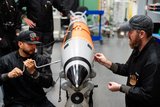
The US government plans to accelerate production even further after achieving key B61-13 milestones months ahead of schedule, as the programme advances amid growing US-China strategic competition.
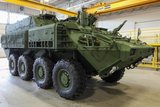
General Dynamics Land Systems-Canada is the country’s first strategic partner under the Defence Industrial Strategy’s Strategic Partnership Framework, an effort to provide companies with confidence to invest and boost the defence labour force.
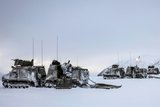
The UK’s Minister for the Armed Forces Louise Sandher-Jones made her first appearance in the role before the House of Commons Defence Committee this week to highlight efforts to improve capability in the High North.
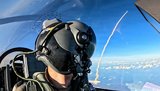
Ottawa explores expanding defence-industrial cooperation with Washington into sensitive programmes, an approach that could reshape NORAD modernisation, strengthen North American supply chains and create new opportunities for defence contractors.

Connect with us on socials


