DoD modifies CHI Aviation contract for AFRICOM logistics


The US DoD has awarded several US-based firms modified contracts for providing aviation support and logistics to Africa Command (AFRICOM) according to a 6 February statement.
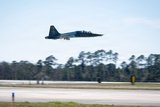
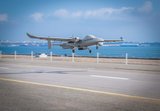
The department granted a contract modification for an existing contract with Construction Helicopters (CHI Aviation) worth $168,964,521 for a continued supply of services to AFRICOM rotary and fixed-wing aircraft which include aircraft used in casualty evacuation, personnel recovery, air drop as well as passenger and cargo transport.
This includes S-61N, CH-47D, Hughes 369, C212-200, King Air B200 and Nextant 400XT aircraft.
The contract with CHI Aviation will also support US partners including Germany and Italy and will run from 2 February until 1 February 2021.
Overall, the modification brings the total value of the contract to more than $703m.
This follows on from earlier contract modifications made in January 2020 on behalf of AFRICOM with Berry Aviation receiving an additional $157m and Erickson Helicopters also receiving an extra $93m for rotary wing services. Both contracts will provide logistical support until February 2021.

More from Air Warfare
-
![July drone digest: Sovereign production takes centre stage at Farnborough]()
July drone digest: Sovereign production takes centre stage at Farnborough
Farnborough International Airshow (FIA) 2026 revealed the growing scale of the UK’s uncrewed ambitions, with companies showcasing new CCA, autonomous wingmen and surveillance drones, while sovereign production emerged as a key factor for multiple programmes.
-
![July air forces review: Farnborough steals the headlines as programmes develop]()
July air forces review: Farnborough steals the headlines as programmes develop
The biannual Farnborough International Airshow 2026 was the backdrop in July for scores of deals, partnerships and announcements, including developments in the multinational next-generation Global Combat Air Programme and the UK’s $486 million trainer aircraft requirement.
-
![Maximise survivability with advanced electronic warfare (video)]()
Maximise survivability with advanced electronic warfare (video)
BAE Systems’ all-digital EW delivers 360-degree threat awareness in contested environments, boosts survivability, and cuts lifecycle costs.
-
![US Air Force seeks avionics upgrades for ageing T-38 Talon as T-7A Red Hawk delays persist]()
US Air Force seeks avionics upgrades for ageing T-38 Talon as T-7A Red Hawk delays persist
The USAF is looking for commercial avionics solutions to improve the T-38 Talon’s reliability, readiness and flight safety as continued T-7A Red Hawk delays increase the likelihood that the legacy trainer will remain in service longer than planned.
-
![British Army’s Project Corvus selection highlights new era of drone sovereignty]()
British Army’s Project Corvus selection highlights new era of drone sovereignty
The UK’s choice of the Tekever AR5 for Project Corvus reflects a wider shift in military drone procurement towards solutions that centre on sovereignty and domestic production, moving away from overseas reliance.