Algeria receives MiG-29M batch
Algeria ordered 14 MiG-29M/M2 aircraft in 2019


Algerian state-run media outlets have reported delivery of the first batch of disassembled MiG-29M aircraft for the Algerian Air Force.
Once fully assembled and tested in-country, the MiG-29Ms will replace older MiG-29S and MiG-29UB aircraft operated by the Algerian Air Force.
Shephard Defence Insight reports that Algeria ordered 14 MiG-29M/M2 (two-seater) aircraft in September 2019, as part of a $1.8 billion contract to replace the older MiG-29 fleet that was acquired second-hand from Belarus and Ukraine between 1999 and 2002.
The MiG-29M/M2 features nine external hardpoints and a 30mm Gsh-301 gun.
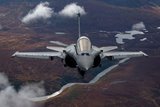
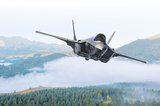
Algeria will join Egypt as the only North African operators of the MiG-29M/M2, having ordered 50 MiG-29M/M2 aircraft (pictured) in 2015 in a $2 billion contract.
As part of our promise to deliver comprehensive coverage to our Defence Insight and Premium News subscribers, our curated defence news content provides the latest industry updates, contract awards and programme milestones.
Related Programmes in Defence Insight
Related Equipment in Defence Insight


More from Air Warfare
-
![New US Army UH-60M Black Hawk order bridges uncertain path to MV-75 transition]()
New US Army UH-60M Black Hawk order bridges uncertain path to MV-75 transition
The US$234 million award for 16 Sikorsky UH-60Ms preserves near-term production, but funding uncertainty and an undefinitised contract leave the US Army’s long-term Black Hawk requirements unresolved.
-
![V-22 Osprey safety upgrade moves towards wider fleet installation under $35.5 million deal]()
V-22 Osprey safety upgrade moves towards wider fleet installation under $35.5 million deal
Bell Boeing will supply 73 additional ODSSHI kits as NAVAIR prepares to introduce predictive drive-system monitoring across US and Japanese V-22 fleets.
-
![AFA 2026: US Air Force examines uncrewed cargo aircraft for contested logistics]()
AFA 2026: US Air Force examines uncrewed cargo aircraft for contested logistics
The US Air Force is evaluating demonstrators for uncrewed cargo missions as it considers logistics requirements across the Pacific and other contested environments.
-
![Europe risks losing control of CUAS production capacity as manufacturers look abroad]()
Europe risks losing control of CUAS production capacity as manufacturers look abroad
European counter-drone developers are securing early orders in the Middle East while slow domestic acquisition processes threaten to redirect production capacity, expertise and investment away from Europe.