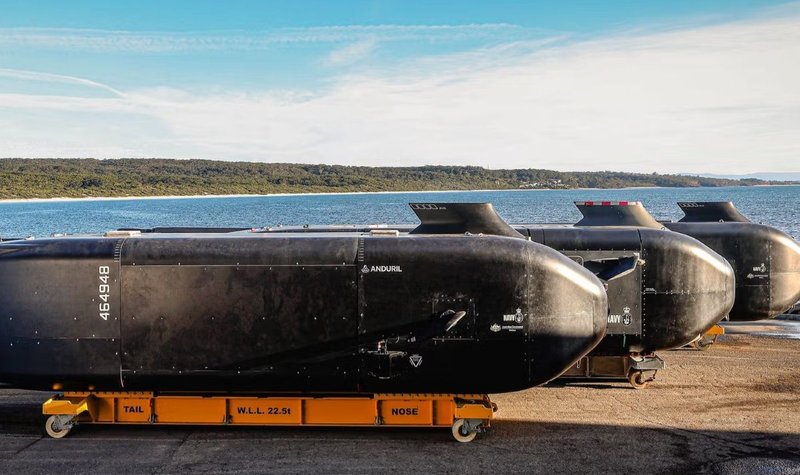
Australia’s A$1.7 billion investment in Ghost Shark offers a potential blueprint for delivering uncrewed underwater capabilities elsewhere, as the UK develops its own requirements.
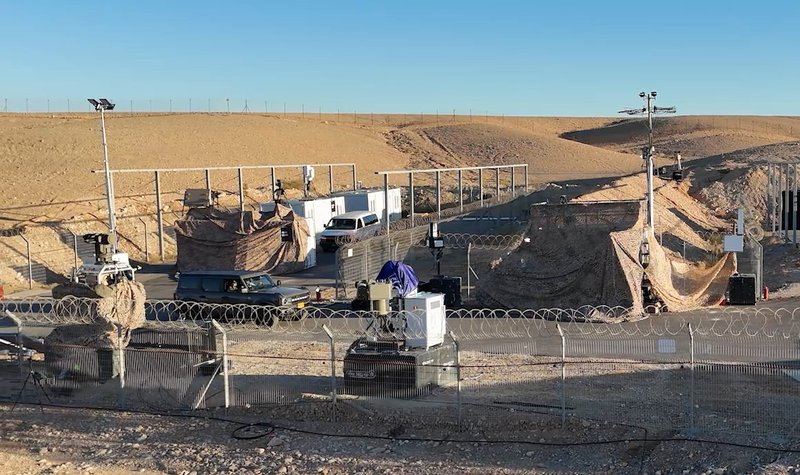
Drone incursions on Europe’s eastern flank and attempted attacks on Bahrain in November reinforced the need for effective air defences, as NATO and Israel demonstrated counter-drone capabilities. Meanwhile, Shephard highlighted growing opportunities across the uncrewed ground vehicle market.
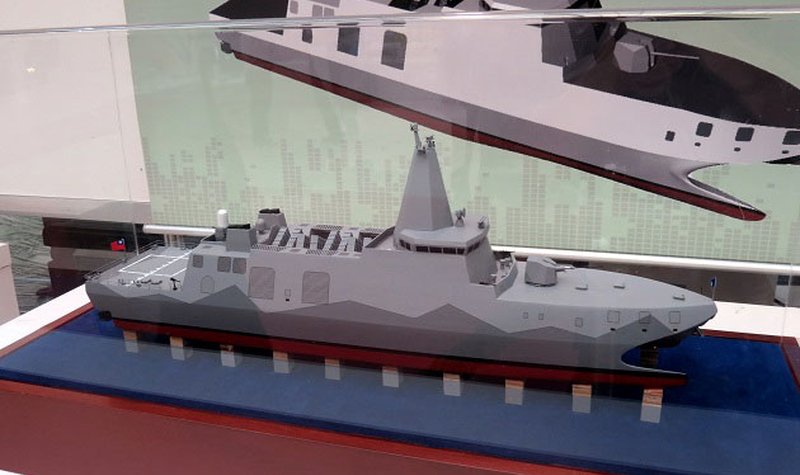
Taiwan’s Sea Oryx missile system, currently under development with the National Chung-Shan Institute of Science and Technology (NCIST), will incorporate a new generation imaging infrared …
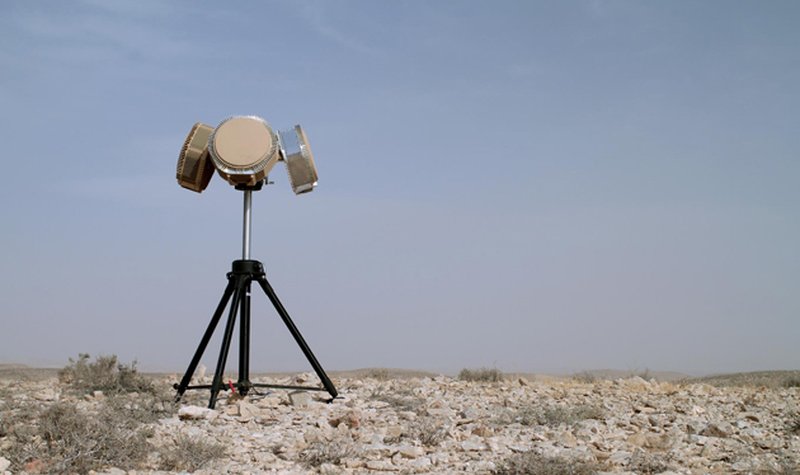
RADA Electronic Industries has received an order worth more than $8 million to supply Multi-Mission Hemispheric Radars (MHR) to the US armed forces, the company …
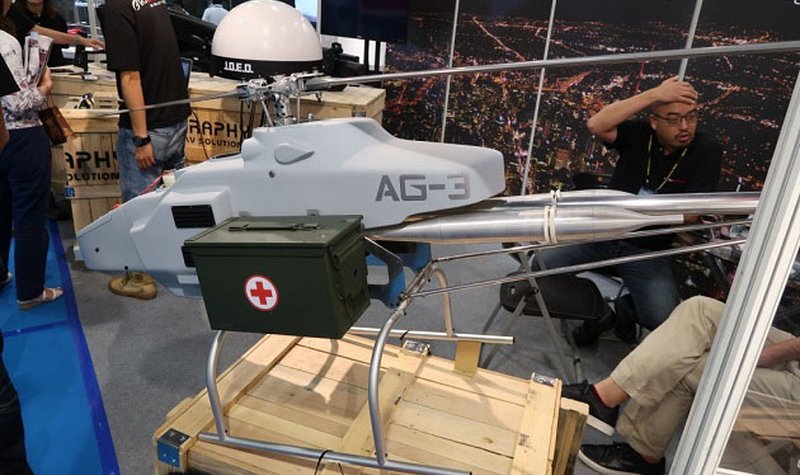
Running in conjunction with last week’s Taipei Aerospace and Defence Technology Exhibition (TADTE), the Taiwan Drone 2017 show demonstrated a range of unmanned platforms to …
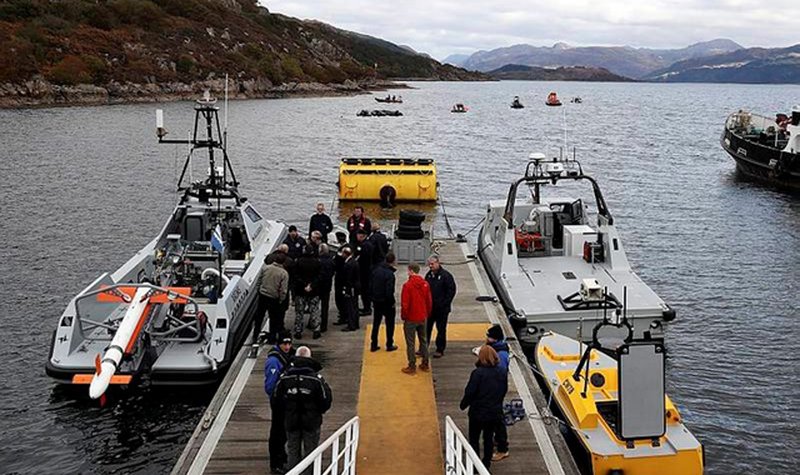
An increasing number of unmanned demonstrations, similar to the Royal Navy’s Unmanned Warrior in 2016, are on the horizon as end users continue to get …
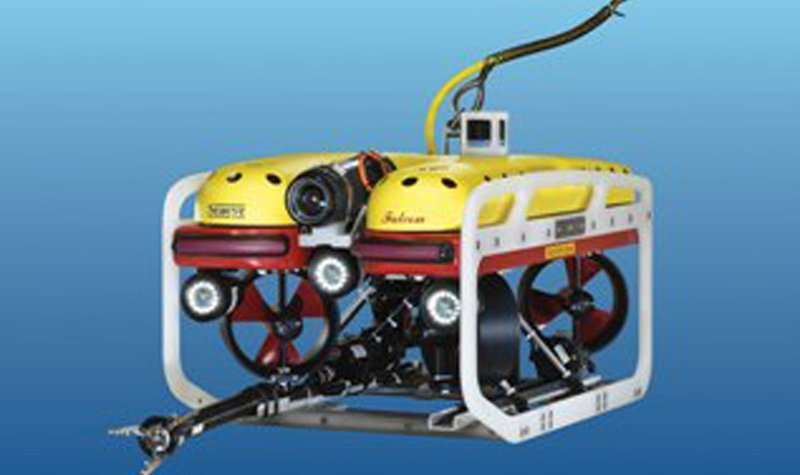
Saab Seaeye has received an order for a second Falcon ROV from Australia-based Huon Aquaculture, the company announced on 17 August. Huon will deploy the …
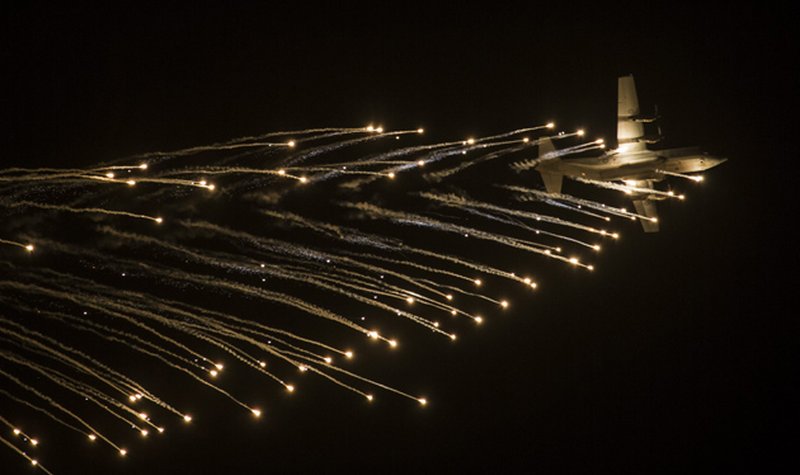
Australia's Defence Science and Technology Group (DST) and Chemring Australia have signed a five-year research agreement to explore new technologies for protecting Australian Defence Force …
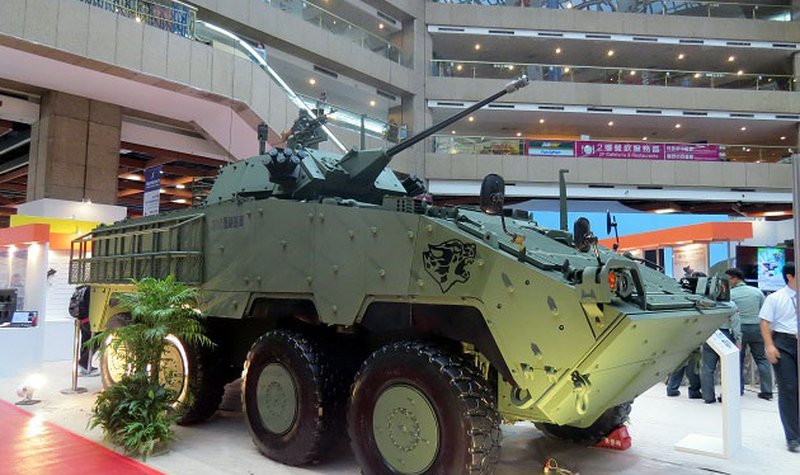
Taiwan’s Ministry of National Defense (MND) showcased a series of improvements to the Cloud Leopard 8x8 infantry fighting vehicle (IFV) at the TADTE 2017 exhibition in Taipei. …
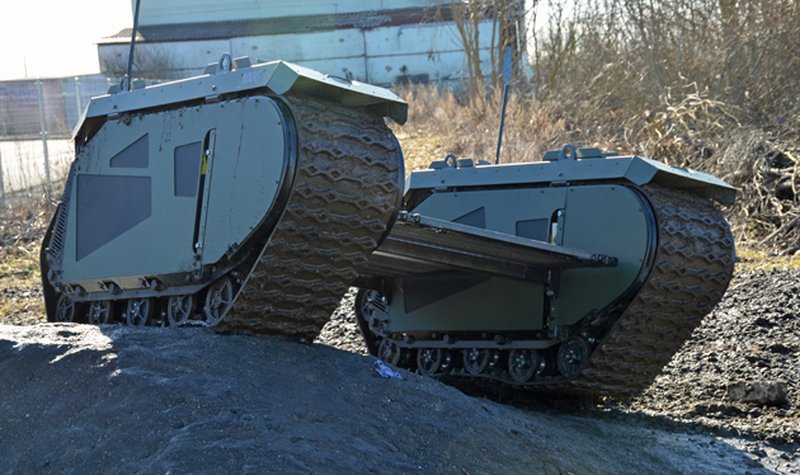
Communications specialist, Silvus Technologies, has integrated a mobile ad hoc network payload on board an unmanned ground vehicle (UGV) for the first time as it seeks …
DARPA has launched a new programme called Assured Autonomy that aims to advance and enhance the adoption of autonomous systems in safety-critical defence applications. The …