OPV for Cyprus Navy launched


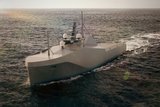
Israel Shipyards has launched a new offshore patrol vessel (OPV) for the Cyprus Navy, the company announced on 18 September.
The OPV was launched at a ceremony held at Israel Shipyards’ facility at Haifa Bay in Israel.
Ordered in December 2015, the OPV will be delivered to Cyprus by the end of 2017.
The vessel will be deployed to protect the Exclusive Economic Zone of Cyprus. With a displacement of 430 tons, an overall length of 62m and a maximum speed of 32 knots, the new OPV can carry up to 30 crewmembers plus a special forces unit.
The vessel is integrated with multiple systems including two Rafael Typhoon weapon stations, advanced radar, electro-optical payloads, and communications systems including satellite communications, navigation systems and command and control systems.
Avi Shahaf, CEO of Israel Shipyards, said: ‘The project is of great importance for the company and we invested our knowledge, experience and ingenuity in order to build and to supply this unique technologically advanced ship.
‘We would like to express our deepest gratitude to the Cyprus Ministry of Defence for the trust they invested in Israel Shipyards in order to deliver this vessel.’


More from Naval Warfare
-
![‘Now Europe is a market’: Fincantieri sees new opportunities closer to home]()
‘Now Europe is a market’: Fincantieri sees new opportunities closer to home
Fincantieri naval vessels chief Eugenio Santagata spoke to Shephard about opportunities and how they sit within a portfolio backed by a “strong backlog”, as Euronaval 2026 unfolded.
-
![US Navy weighs “Super Intelligence” role in designing a quieter SSN(X) attack submarine]()
US Navy weighs “Super Intelligence” role in designing a quieter SSN(X) attack submarine
NAVSEA is exploring AI-assisted design for a larger, stealthier submarine with increased weapons capacity and uncrewed-system integration, with lead-boat procurement envisaged from 2040.
-
![ST Engineering makes Euronaval debut with MRV European export campaign]()
ST Engineering makes Euronaval debut with MRV European export campaign
A six-ship home order, agreements with Saab, Naval Group and Babcock and spare yard capacity underpin the group’s first Euronaval bid for smaller European navies.
-
![Navies need cheaper ways to defeat drones, but can they sustain merchant protection?]()
Navies need cheaper ways to defeat drones, but can they sustain merchant protection?
New interceptors and launchers could help navies preserve missile stocks during prolonged escort operations. Yet lower engagement costs will only improve merchant protection if the weapons are available where ships need defending.
-
![Euronaval 2026: Red Cat’s Blue Ops follows USV demand from Asia to the Andes]()
Euronaval 2026: Red Cat’s Blue Ops follows USV demand from Asia to the Andes
With its B-26 USV in full-rate production, Blue Ops is seeking to turn overseas interest into orders through a combination of lower operating costs, UAV integration and local manufacturing.