


UK MoD faces ‘serious’ ASW gap as Defence Committee outlines Arctic requirements
Anti-submarine warfare, uncrewed vessels and seabed monitoring top the demand list in the Defence Committee’s High North roadmap for the 2030s.


Public Services and Procurement Canada is set to acquire eight new SAR lifeboats from Chantier Naval Forillon and Hike Metal Products for the Canadian Coast Guard.
The companies are already producing six SAR lifeboats each under contracts signed in 2015. Under the amended contracts, each shipyard will build four additional vessels at a total cost of $61.8 million.
With the ability to operate up to 100 nautical miles from shore, these new high-endurance lifeboats will enhance the coast guard’s SAR capabilities.
Jonathan Wilkinson, Minister of Fisheries, Oceans and the Canadian Coast Guard, said: ‘Through the National Shipbuilding Strategy and Oceans Protection Plan, we are providing members of the Canadian Coast Guard the equipment they need to keep Canadian waters and those who use them safe. The addition of these new lifeboats will also create more jobs for Canadians and enhance the coast guard’s capacity as a leader in maritime safety.’


Anti-submarine warfare, uncrewed vessels and seabed monitoring top the demand list in the Defence Committee’s High North roadmap for the 2030s.

Poland is reshaping its naval capabilities through investments in surface and undersea fleets, with further procurement opportunities expected into the 2030s.

Turkish shipbuilders have sold ships from Asia to Europe, but autonomy and swarm technology could give them a fairer fight against Western European rivals.

Ahead of Euronaval 2026, major submarine, frigate and aircraft carrier programmes are driving investment, while future corvette replacements and growing interest in uncrewed vessels offer further opportunities for industry into the 2030s and beyond.

The Canadian Department of National Defence is evaluating communications and reconnaissance changes for CCGS Imnaryuaq’s expanded maritime security role, while retaining its 2032 acceptance target.
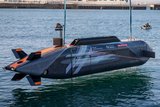
Responses are due by 29 October as the Royal Navy tests the market, with BAE Systems’ Herne and MSubs’ Excalibur setting up a contest where payloads may decide the winner.

Connect with us on socials


