UK F-35s land onboard HMS Queen Elizabeth


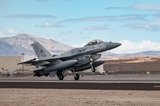
UK F-35 Lightning jets have landed onboard HMS Queen Elizabeth for the first time as part of operational trials being carried out off the East Coast of the US.
The Royal Navy and Royal Air Force jets have landed, taken off and hovered on the carrier, with the goal of confirming that the aircraft are compatible with the vessel. The tests involve mission planning, arming the aircraft using the ship’s Highly Automated Weapon Handling System, flying missions and debriefing on completion.
The trials follow successful developmental trials in 2018 with US military F-35 jets, where forces conducted 500 take offs and landings over their 11-week period at sea.
The landings on HMS Queen Elizabeth are part of the ‘Westlant 19’ Carrier Strike Group deployment.
Assistant Chief of the Naval Staff for Aviation and Carrier Strike, Rear Admiral Martin Connell, Royal Navy, said: ‘Embarking UK Lightning jets in HMS Queen Elizabeth for the very first time is a major milestone for Royal Navy and Royal Air Force aviation and for our development of the 5th generation Carrier Strike Group capability.’
The UK will declare Initial Operating Capability for Carrier Strike by the end of 2020. The first operational deployment for HMS Queen Elizabeth 617 Squadron and a squadron of US Marine Corps Lightning jets is due to take place in 2021.
Related Equipment in Defence Insight


More from Naval Warfare
-
![What does Saab’s operations shake-up mean for its new ‘Naval’ chapter?]()
What does Saab’s operations shake-up mean for its new ‘Naval’ chapter?
Saab’s merger of its Kockums and Naval Combat Systems divisions into a single business area called Naval, effective 1 April 2026, aims to enhance efficiency, innovation and competitive positioning in the naval sector.
-
![Iran and the future of amphibious operations: crewed and uncrewed solutions]()
Iran and the future of amphibious operations: crewed and uncrewed solutions
Amphibious operations are a very unique type of military operation, and global defence industries are developing new solutions to enhance capabilities and efficiency.
-
![US Navy to acquire and test uncrewed surface vessel prototypes by the end of FY2026]()
US Navy to acquire and test uncrewed surface vessel prototypes by the end of FY2026
The new autonomous surface vessels are planned to be operationally fielded in FY2027, following the completion of on-water trials.
-
![Hanwha Ocean and TKMS are firming up their Canadian next-gen submarine proposals]()
Hanwha Ocean and TKMS are firming up their Canadian next-gen submarine proposals
CPSP competitors are proposing platforms fitted with advanced, next-generation capabilities to be built and sustained in cooperation with the Canadian industry.
-
![UK’s $1 billion AUKUS support request signals strong ongoing US collaboration]()
UK’s $1 billion AUKUS support request signals strong ongoing US collaboration
The latest foreign military sales request from the UK has implications for the future of the programme and collaboration between the three nations.