


Patria OPTIME and ILIAS: Orchestrating operational readiness across every domain
Patria OPTIME is a sustainment concept that integrates MRO and lifecycle services into one solution, powered by the ILIAS digital defence platform


Norwegian has announced that 834,884 passengers chose to fly with the airline in February, a 25% increase from the same period last year.
Revenue passenger kilometres (RPKs) totalled 815 million, compared with 636 million in February 2009, a 28% increase. Capacity in available seat kilometres (ASKs) grew by 32% to 1,077 million in February 2010 from 817 million in February last year.
The load factor for the group therefore was down 2 percentage points to 76% in February, compared to February 2009. Norwegian operated 99.3% of its planned flights in February, out of which 77.6% departed on schedule.
“This month’s strong passenger growth is very satisfactory, particularly taking into consideration that February is a seasonally weak month,” remarked Bjørn Kjos, Norwegian’s CEO. “We are continuously renewing our fleet with more Boeing 737-800 aircraft. The new aircraft have more capacity which reduces our costs and thus the fares.”
Kjos reported that two new 737-800s are due for imminent delivery from Boeing in Seattle, with an additional three brand new aircraft to be delivered by early April.
Norwegian estimates its yield at 0.51 NOK for February, down 16% compared with the same month in 2009. This figure partially reflects a significantly adjusted route portfolio, introduction of new aircraft with higher capacity and lower unit cost, and the removal of fuel surcharges that covered last year’s record high fuel price.

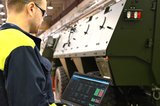
Patria OPTIME is a sustainment concept that integrates MRO and lifecycle services into one solution, powered by the ILIAS digital defence platform
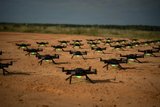
US Air Force, Army, Marine Corps and Special Operations Command initiatives signal demand for interoperable uncrewed systems control, creating opportunities for suppliers of hardware, software and integration services.

In Conversation… The geopolitical landscape is increasingly uncertain, with the UK and its allies confronting the most unpredictable international environment for decades. To adapt, defence readiness must begin long before assets reach the front line, forging a resilient support enterprise that can thrive in a time of ongoing disruption, argue the partners of Team ORION.

In conversation… Everfox’s Chairman and Chief Executive Officer Dave Wajsgras and Managing Director, International, Colin McKinty discuss the critical importance of information security in defence, minimising insider risk and the company’s international growth strategy with Shephard’s Andrew White.

In Conversation… Shephard’s Andrew White talks to Zafer Şen, CEO and co-founder of OBSS, about the future of command-and-control software in the age of artificial intelligence, and his company’s ambitions in the UK defence market.
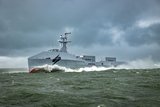
Outside investment and the direction in which venture money flows may reveal what defence will buy years before formal programmes begin.

Connect with us on socials


