


“Capital follows confidence” as defence courts private money
Outside investment and the direction in which venture money flows may reveal what defence will buy years before formal programmes begin.


Navtech has signed an agreement with SATA Air Açores to provide flight planning and aircraft performance software for the carrier’s fleet of Bombardier Q200 and Bombardier Q400 aircraft.
SATA, whose Azores home is near Portugal in the Atlantic Ocean, is an island-hopping airline with destinations that include Corvo Island, Flores Island, Graciosa Island, Faial Island, Pico Island, Santa Maria Island, São Jorge Island, Terceira and São Miguel Island in the Açores. More recently, SATA Air Açores has started to fly to neighbouring archipelagos Madeira (to Portugal) and the Canary Islands (to Spain).
SATA recently announced that in addition to its traditional flights within the Azores, this coming summer 2010 SATA Air Açores will fly between the Azores and Madeira, between Madeira and Canary Islands and between Madeira and Algarve, the southern part of Mainland Portugal.
“Navtech has built a reputation for working with its customers to create the best solutions for their unique situations,” remarked Mike Hulley, Navtech CEO. “SATA’s destinations certainly pose challenges with their short distances and tight runways, but we have tools that will enable them to deal with these conditions in a way that maximises safety and payload.”
SATA operates scheduled passenger, cargo and mail services around the Azores. Pilots typically land on runways as short as 800 metres, making adherence to flight plans especially important. Navtech Flight Plan (NFP) includes an updated browser-based user interface that will allow SATA users to easily operate dynamic route construction functions and optimization capabilities.
Optimisation of SATA’s trips will be further enhanced with Navtech Aircraft Performance software. The system includes take-off weight calculations to maximise payload and enable optimal operation of an aircraft to meet company policies and aircraft specifications, particularly important for the tight runways at SATA’s destinations. Navtech is supplying customised electronic take-off and landing calculations, which feed additional data to pilots and airport crew, a modern feature not usually available for these aircraft types.
According to António Gomes de Menezes, CEO of SATA Air Açores, “the cutting-edge solutions brought by Navtech show our commitment towards an operation which is not only safe and reliable but also optimised in terms payload.”

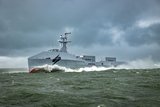
Outside investment and the direction in which venture money flows may reveal what defence will buy years before formal programmes begin.

The Department of National Defence expects initial contracts to deliver thousands of uncrewed systems, but has yet to establish the quantities, capability mix or deadline behind Ottawa’s promised tenfold expansion.
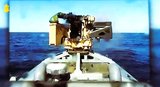
The company told Shephard that Ukraine is operating modified Protector weapon stations originally supplied for armoured vehicles, with human operators authorising engagements from hundreds of kilometres away.

A report from the Council on Geostrategy argues the UK should move away from a traditional balanced force and shift investment to naval, air and space capabilities, backed by a larger fleet of attack submarines and deeper AUKUS integration.

At its technology summit in London, attended by Shephard, Thales UK examined the importance of speed to delivery, the growing focus on cross-domain capabilities and how procurement reform could be crucial for future battlefield advantage.

Are all systems ready for the next mission? Have upgrades been applied? Are all assets aligned to deploy together, on time and fully prepared? In modern defence operations, readiness is no longer measured platform by platform. It is measured by how well people, assets, data and decisions move together — across land, sea and air.

Connect with us on socials


