


Germany could secure greater influence through sixth-generation fighter partnership with Sweden and Spain
Germany is assessing potential pathways for a future sixth-generation fighter capability, including discussions with GCAP partners and Sweden.


The Indian Navy's Chetak utility helicopters are well overdue for replacement. (Gordon Arthur)
The Indian Navy’s (IN) Naval Utility Helicopter (NUH) programme is years old but it has made little discernible progress. However, the project took another fork in the road when an RfI was released on 23 April to lease 24 utility helicopters.
Directed at OEMs, leasing firms and government export agencies, the RfI noted that the leasing period is for an initial five years, and will include the helicopters as well as maintenance support, performance-based logistics, ground support equipment and crew training.
This effort is one of the first after the MoD approved the leasing model by modifying the Defence Acquisition
Our news & analysis is now part of Defence Insight®
A Basic-level or higher Defence Insight subscription is now required to view this content.

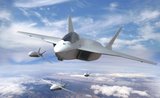
Germany is assessing potential pathways for a future sixth-generation fighter capability, including discussions with GCAP partners and Sweden.
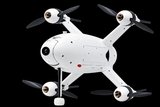
Quantum Systems’s Ukraine-made interceptor SPYS is thought to cost approximately 10 times less than Russia's jet-powered uncrewed aerial systems and is being produced at scale.
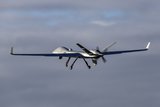
The UK is seeking to extend the operational reach of uncrewed aerial vehicles, reflecting growing demand for compact, energy-efficient technology to support beyond-line-of-sight operations.
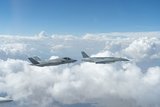
Northrop Grumman, Airbus and Anduril are positioning their uncrewed aerial vehicles for future collaborative combat aircraft contracts in a market that is forecast to exceed $36 billion.
Senior military leaders have highlighted the need for interoperable systems, common data standards and closer cooperation between India's armed services.
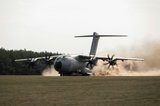
Airbus is developing new capabilities for its A400M transport aircraft as European countries consider future airlift requirements and the UK plans to deploy the aircraft to Saudi Arabia.

Connect with us on socials


