B-21 still makes ‘good progress’ towards possible first flight this year
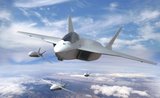
Artist’s impression of the B-21 Raider bomber being developed by Northrop Grumman. (Image: Northrop Grumman)
The USAF says the B-21 Raider bomber — currently in the Engineering and Manufacturing Development phase — is on track for initial deliveries in the mid-2020s.


The B-21 Raider next-generation long-range strike aircraft programme for the USAF is progressing towards a first flight – possibly this year – as well as initial production, backed by a nearly $30 billion commitment in the Pentagon’s spending plan and the confidence of senior leaders.
As a Special Access Program (and a follow-on platform to the B-2 stealth bomber), key details regarding the B-21 are exempt from the usual disclosures required of all big-ticket weapon systems; but DoD officials have outlined recent developments in broad terms.
‘The B-21 is making good progress,’ Secretary of the Air Force Frank Kendall said
Our news & analysis is now part of Defence Insight®
A Basic-level or higher Defence Insight subscription is now required to view this content.



More from Air Warfare
-
![Oshkosh and Grid Aero tie-up tests new model for scaling military UAS production]()
Oshkosh and Grid Aero tie-up tests new model for scaling military UAS production
By combining established manufacturing capacity with startup aircraft design, the partnership could offer an alternative approach to scaling military uncrewed aircraft production.
-
![European funding and NATO interoperability could shape Polish helicopter plans]()
European funding and NATO interoperability could shape Polish helicopter plans
Poland is seeking to update its transport helicopters as part of a wider military aviation modernisation programme, with EU funding requirements and NATO interoperability key considerations.
-
![Poland air focus: $8.27 billion UAV market highlights value of long-term supplier relationships]()
Poland air focus: $8.27 billion UAV market highlights value of long-term supplier relationships
Poland’s growing investment in UAVs highlights how recurring procurement contracts and continuous technological development can provide suppliers with sustained opportunities beyond initial acquisitions.
-
![October crewed air review: Israel’s Apache deal bets on crewed aviation in an uncrewed age]()
October crewed air review: Israel’s Apache deal bets on crewed aviation in an uncrewed age
Israel’s $1 billion Apache helicopter order highlights the continued demand for crewed attack aviation, while growing integration with uncrewed systems could shape future modernisation and procurement decisions.