


Global Ordnance and Sparkz disclose plans for 500,000 US-made UAV batteries a year
The companies have outlined plans for US$25 million manufacturing lines and initial deliveries in 2027 as Washington tightens restrictions on Chinese UAV components.


Claiming a pioneering milestone in the history of aviation, Oman Air has become the first airline to offer both mobile and broadband internet on board its flights.
This introduction of technology which offers passengers the convenience of connecting to the internet and being able to use their own mobile phones from the comfort of their seat means that passengers on board Oman Air’s A330 flights need never be out of touch.
Passengers can use their mobile phones at times other than during take-off and landing. As soon as the ‘no mobile’ sign is off, the OnAir name will appear on the mobile screen as the network connection is obtained. Passengers can then receive and make calls, check their voice mail, send and receive text and multimedia messages, and access e-mails and websites, thus staying in touch during their flight as they would normally do on the ground.
When using mobile phones on board, the service will be of a roaming nature, as on a foreign network. Users must then dial the full international numbers. Onboard communications will be charged by the home mobile service provider at international roaming rates, as is the case when using a mobile phone abroad.
With the Wi-Fi network access, logging onto the internet will be like going online from any public Wi-Fi hotspot. Passengers can then access the internet, retrieve and send e-mails from a web-based e-mail account and access webchat to exchange instant messages.
Oman Air’s passenger price plan for internet access on laptops (Wi-Fi) is expected to be $29.95 for 26MB per flight. Additional usage would be at $0.006 per KB. For webmail (body copy only) the rate would be $9.95 per flight and $0.006 for attachments. For webchat the rate would be $4.95 for unlimited use, per flight.


The companies have outlined plans for US$25 million manufacturing lines and initial deliveries in 2027 as Washington tightens restrictions on Chinese UAV components.
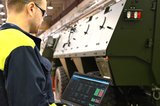
Patria OPTIME is a sustainment concept that integrates MRO and lifecycle services into one solution, powered by the ILIAS digital defence platform
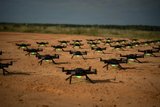
US Air Force, Army, Marine Corps and Special Operations Command initiatives signal demand for interoperable uncrewed systems control, creating opportunities for suppliers of hardware, software and integration services.

In Conversation… The geopolitical landscape is increasingly uncertain, with the UK and its allies confronting the most unpredictable international environment for decades. To adapt, defence readiness must begin long before assets reach the front line, forging a resilient support enterprise that can thrive in a time of ongoing disruption, argue the partners of Team ORION.

In conversation… Everfox’s Chairman and Chief Executive Officer Dave Wajsgras and Managing Director, International, Colin McKinty discuss the critical importance of information security in defence, minimising insider risk and the company’s international growth strategy with Shephard’s Andrew White.

In Conversation… Shephard’s Andrew White talks to Zafer Şen, CEO and co-founder of OBSS, about the future of command-and-control software in the age of artificial intelligence, and his company’s ambitions in the UK defence market.

Connect with us on socials


