


Why combat advantage depends on connected mission systems
How can armed forces connect autonomous platforms and introduce new capabilities faster while maintaining security and airworthiness?


Rendering of B-21 flying above Edwards AFB. (Photo: USAF)
Senior DoD and USAF officials gave a status update on the B-21 Raider stealth bomber programme on 21 September during the annual Air Force Association Meeting in Washington DC.
Frank Kendall, Secretary of the Air Force, said five B-21s are being built for test purposes by Northrop Grumman at its facility in Palmdale, California.
He added that ‘all programmes have risk and the same is true of the B-21, but at this point at least, it is making good progress towards a real fielded capability’.
Similarly bullish during AFA were USAF Chief of Staff Gen Charles Brown, who said the
Our news & analysis is now part of Defence Insight®
A Basic-level or higher Defence Insight subscription is now required to view this content.


How can armed forces connect autonomous platforms and introduce new capabilities faster while maintaining security and airworthiness?
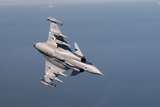
Ukraine’s future fighter fleet could combine F-16s, Gripens and potentially Rafales, balancing combat needs against training, logistics and aircraft supply constraints.
Northrop Grumman plans mission systems testing following its Hermeus agreement, highlighting how established defence contractors are partnering with newer companies to accelerate development and bring autonomous capabilities to military customers.

AI-powered sensing technologies are advancing battlefield intelligence capabilities, with companies including Sightline Intelligence and Arkeus developing smaller, more sophisticated systems to help military UAV operators process data and identify threats.
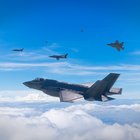
For decades, advanced military propulsion has centred on enabling ever-more capable fighters and bombers – delivering more thrust, more range, greater power, and thermal management, plus longer service lives. Those requirements remain essential. However, the rise of autonomous systems, advanced effectors, and autonomous collaborative platforms is redefining what that propulsion must deliver.

The Czech Republic’s shift towards smaller uncrewed aerial vehicles has reshaped its procurement priorities, leaving nearly three-quarters of the market unawarded. Yet with this value concentrated in just two programmes, the highest-value opportunities could contain a high level of risk.

Connect with us on socials


