Naval Warfare magazine: nuclear submarines, ISR AUVs and more


Read the latest edition of Naval Warfare for free in our app or on your desktop.
Comment
Recent events in the waters around the Arabian Peninsula are potentially indicating a major shift in maritime affairs in the Middle East.
Features include:
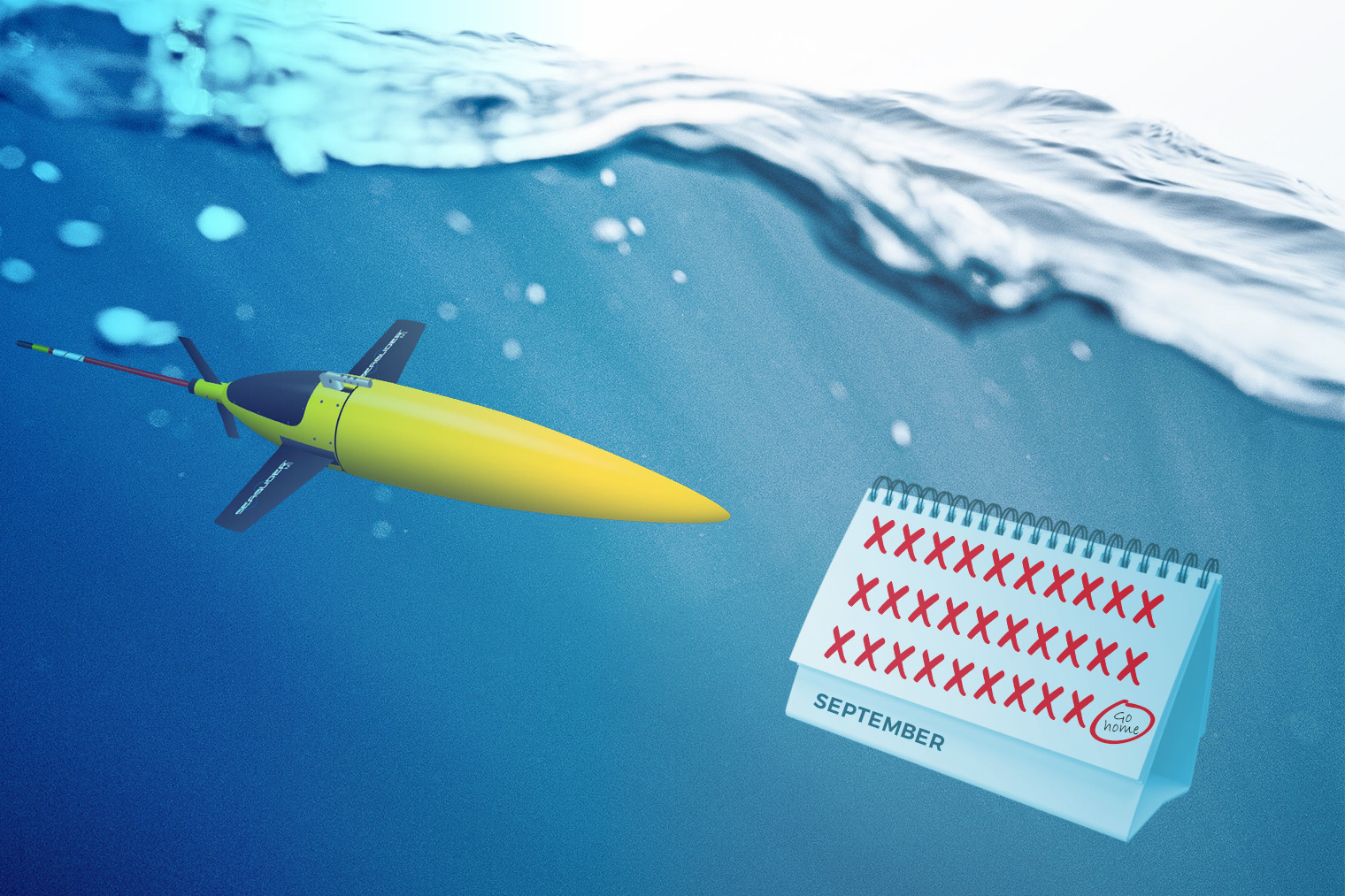
DEEP-SEA CREATURES
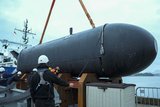
Recent years have seen an increase in the number of AUVs being fielded as navies worldwide come to realise the true value of these covert data collectors. Shephard presents an overview of the capabilities available.

THROWING SHAPES
The millimetre-wave radars equipping emerging anti-ship missiles are a clear and present danger to warships. Yet chaff may still have a valuable role to play in outfoxing such threats.
Other features include:
A JUGGLING ACT
The USN is making ready for a once-in-a-generation submarine production run as it juggles both current and future requirements.
KEEPING THE COAST CLEAR
Anti-ship missiles are some of the deadliest weapon systems available to navies worldwide, which is why there has been renewed interest in developing these capabilities, with Western countries mainly focusing on protecting their littorals.
NATURAL EVOLUTION
Over the past few decades, the corvette has gradually become the backbone of the Israeli Navy, with the service now in the process of acquiring a new vessel.
INVESTING IN THE FUTURE
After the publication of a series of landmark documents aiming to review the country’s shipbuilding sector, the UK is focusing on reinvigorating its domestic shipbuilding and increasing competitiveness in the sector based on the recommendations put forward.
RISING TO THE CHALLENGE
EO/IR sensors have a wide range of applications in the naval domain. Whilst manufacturers continue developing these systems to keep up with changing operational requirements, they also need to keep prices in check.



More from Naval Warfare
-
![Industrial teams prepare roadmap for Indonesia aircraft carrier transformation]()
Industrial teams prepare roadmap for Indonesia aircraft carrier transformation
Fincantieri and PT PAL have agreed on a framework to modernise the former Giuseppe Garibaldi, with drones, communications and broader Italian–Indonesian industrial ties involved.
-
![Denmark’s air defence frigate requirement draws growing European competition]()
Denmark’s air defence frigate requirement draws growing European competition
With no formal competition under way, industrial partnerships, production capacity and air defence capability could all shape the programme as Denmark considers how to replace its three Iver Huitfeldt-class frigates.
-
![Five years on: where could opportunities emerge next for AUKUS Pillar II?]()
Five years on: where could opportunities emerge next for AUKUS Pillar II?
Payload commonality, combat systems and electronic warfare are emerging as likely priorities as the trilateral partnership balances building submarines with sharing industrial ecosystems.
-
![Singapore expands maritime presence with future-ready Sentinel OPV]()
Singapore expands maritime presence with future-ready Sentinel OPV
Singapore is building space for uncrewed systems and future technologies into its new Sentinel-class OPVs, reflecting a wider move towards adaptable vessels capable of maintaining persistent maritime presence.