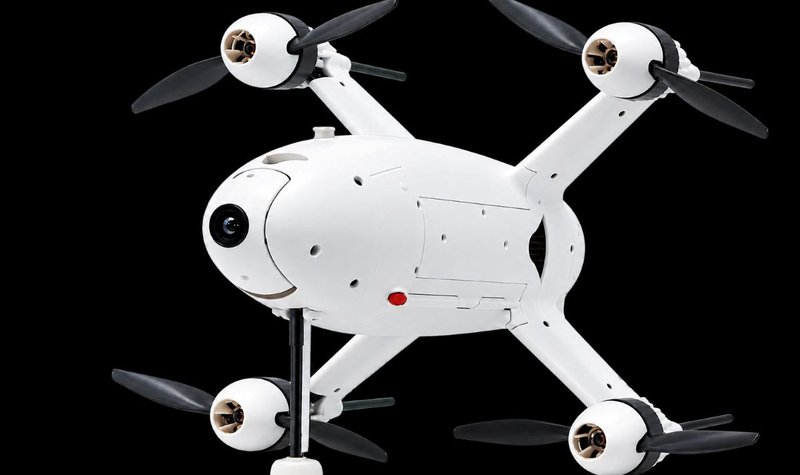
The UK is seeking to extend the operational reach of uncrewed aerial vehicles, reflecting growing demand for compact, energy-efficient technology to support beyond-line-of-sight operations.
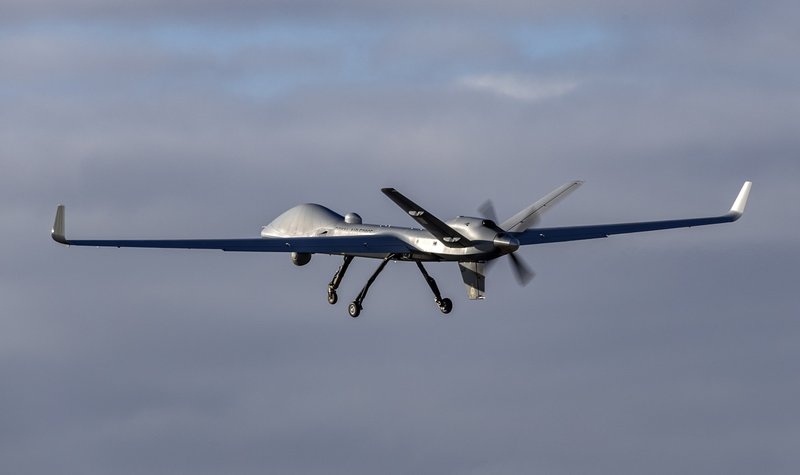
Northrop Grumman, Airbus and Anduril are positioning their uncrewed aerial vehicles for future collaborative combat aircraft contracts in a market that is forecast to exceed $36 billion.
Roman Köhne, CEO of Rheinmetall's Weapon and Ammunition Division, discusses the company's announcements at Eurosatory 2026, including developments in defence technology, precision systems, industrial ...
At Eurosatory 2026, Pearson Engineering's Group CEO Ian Bell talked about the company's role in delivering specialist armoured engineering, route-clearance and demining capabilities to military custom...
Ahead of Euronaval 2026, major submarine, frigate and aircraft carrier programmes are driving investment, while future corvette replacements and growing interest in uncrewed vessels offer further opportunities for industry into the 2030s an...
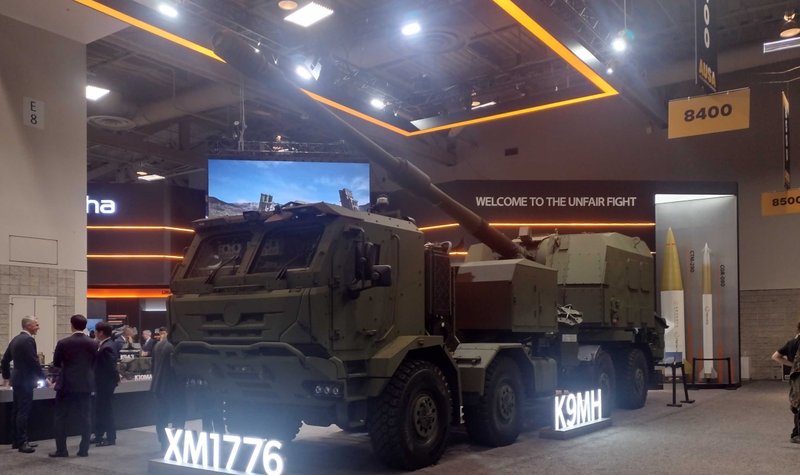
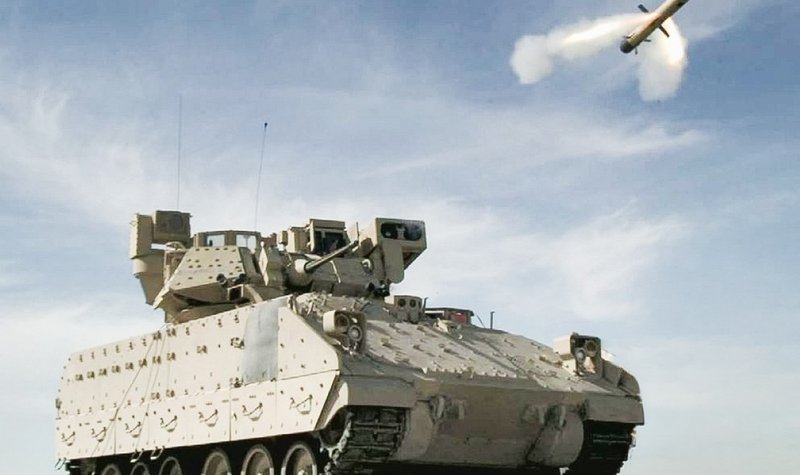
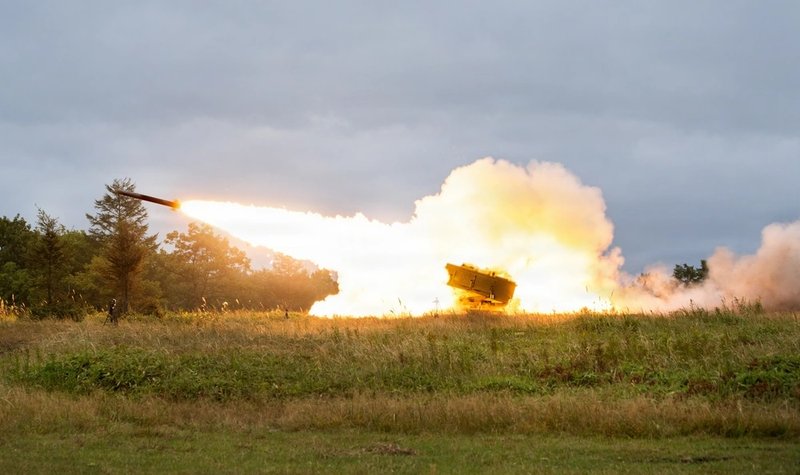
Rather than developing entirely new weapons, defence companies are looking to build on existing weapons and systems to deliver greater capability, control costs and accelerate fielding.
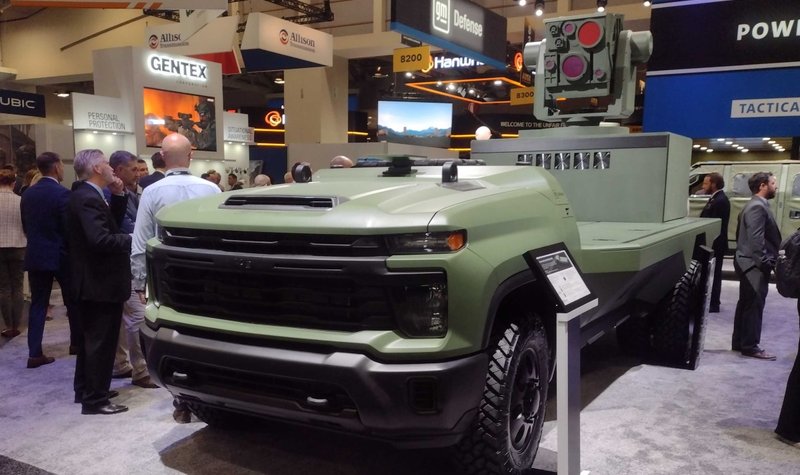
With a production rate of more than 10 million vehicles annually, the US commercial car and vehicle manufacturing base is second only to China. Defence companies are looking at how the vehicles, technology and manufacturing capability can s...
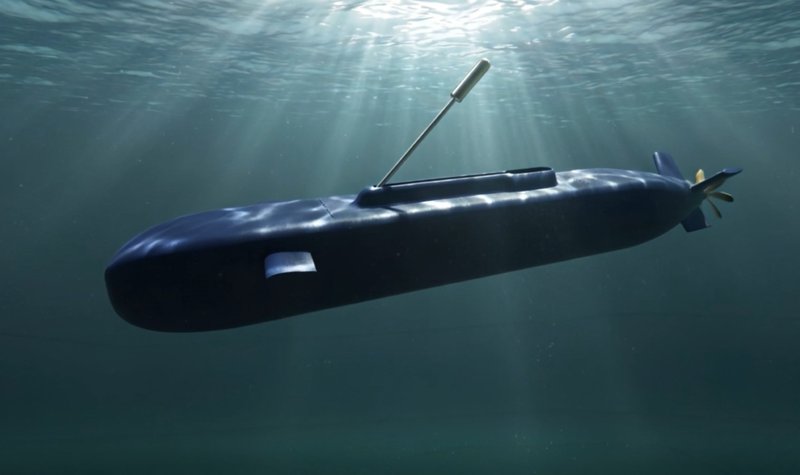
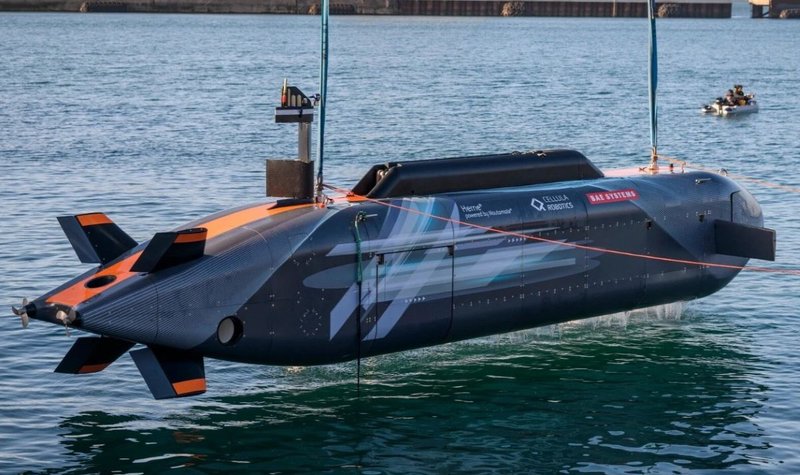
Responses are due by 29 October as the Royal Navy tests the market, with BAE Systems’ Herne and MSubs’ Excalibur setting up a contest where payloads may decide the winner.
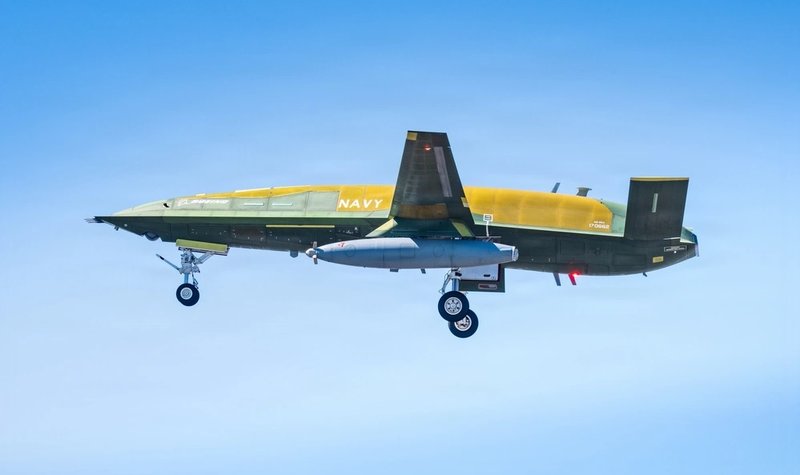
Boeing has outlined its upcoming precision-landing and carrier-airspace trials as MQ-25 manufacturing shifts towards Illinois, with initial Lot 1 deliveries expected in 2029.
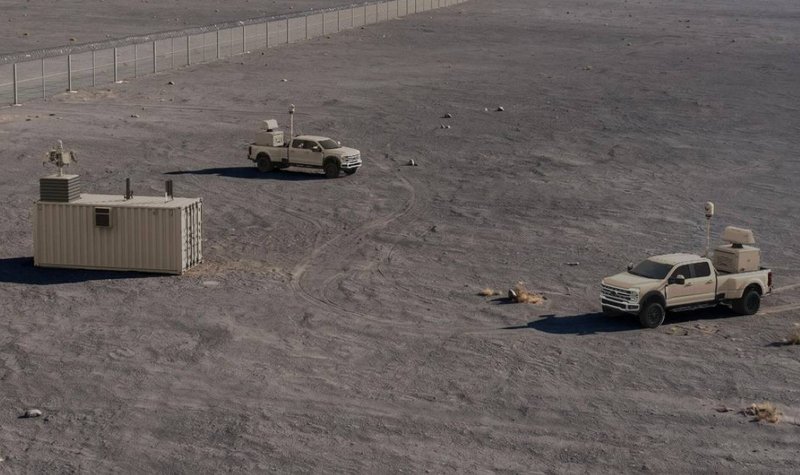
New developments from MARSS, MyDefence, Mountain Horse Solutions and Rafael suggest that future counter-drone protection will increasingly depend on combining advanced detection, rapid interception and integrated defensive networks.
The optionally crewed, C-130-transportable platforms would combine modular offensive and defensive fires with autonomous resupply, with demonstrations planned for Talisman Sabre 2027.
A wave of acquisitions is bringing specialist autonomy and underwater technology under the umbrella of larger defence contractors. As a result, navies may gain faster access to capability, but not necessarily a broader choice of suppliers.
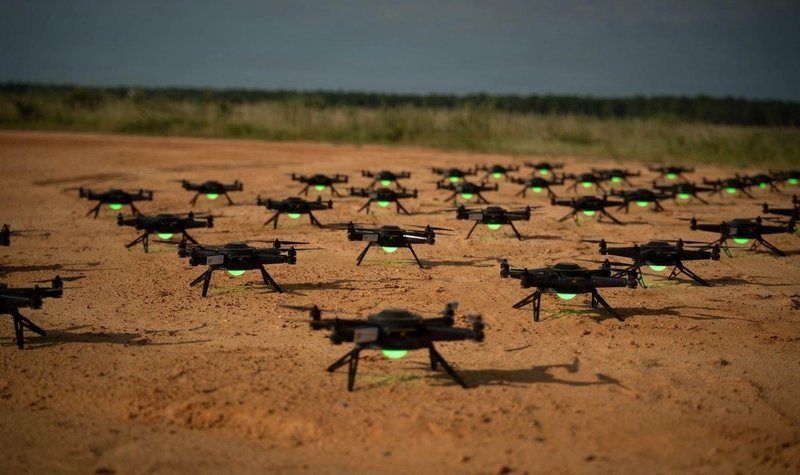
As the Pentagon accelerates procurement of low-cost, lethal UAVs through its Drone Dominance Program, emerging suppliers will need to demonstrate manufacturing capacity, supply chain resilience and reliability.
US Air Force, Army, Marine Corps and Special Operations Command initiatives signal demand for interoperable uncrewed systems control, creating opportunities for suppliers of hardware, software and integration services.
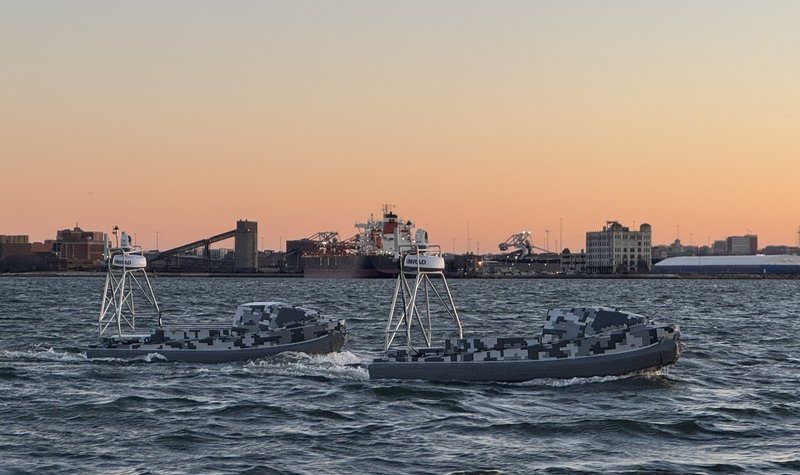
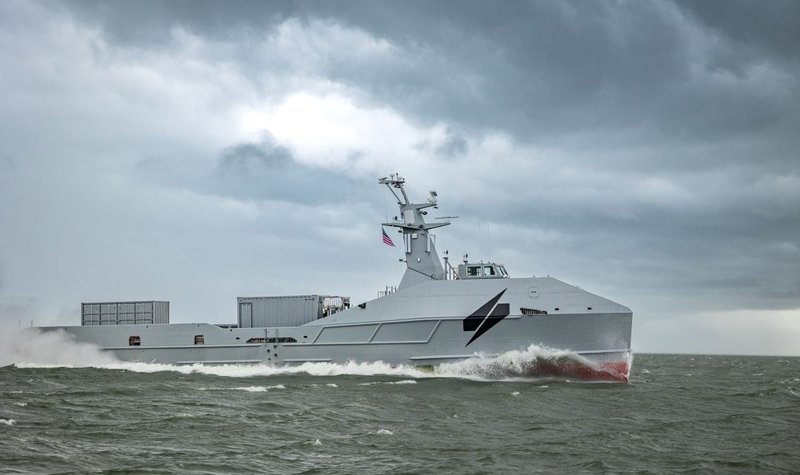
HII, Saronic and Galliano Marine Services have won US Navy production contracts to supply medium uncrewed surface vessels. The marketplace approach behind them sets the bar for suppliers eyeing allied navy competitions.
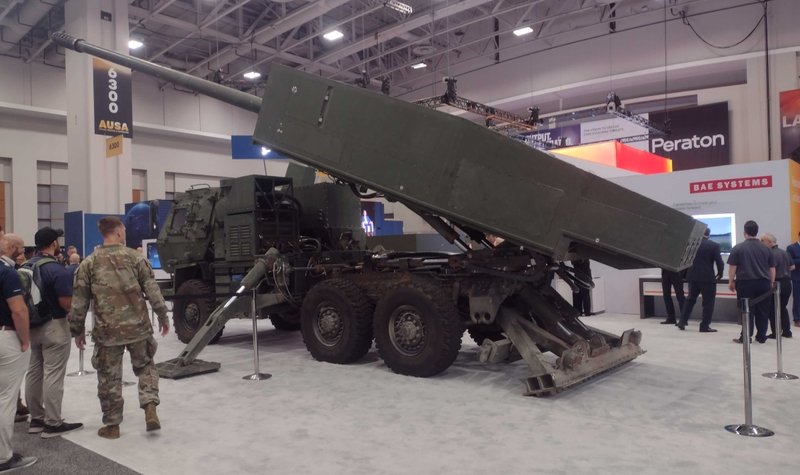
The company's new artillery demonstrator is intended to engage incoming missiles and ground targets, while a separate microwave system focuses on uncrewed aerial threats.