Read the latest military helicopter news from our team of expert journalists and analysts, giving you the 'so what' behind the latest military rotorcraft headlines.
The latest purchase of F-16V combat aircraft comes as the country presses ahead with its long-held plans to modernise its air combat capabilities and invest in the replacement of ageing Russian aircraft.
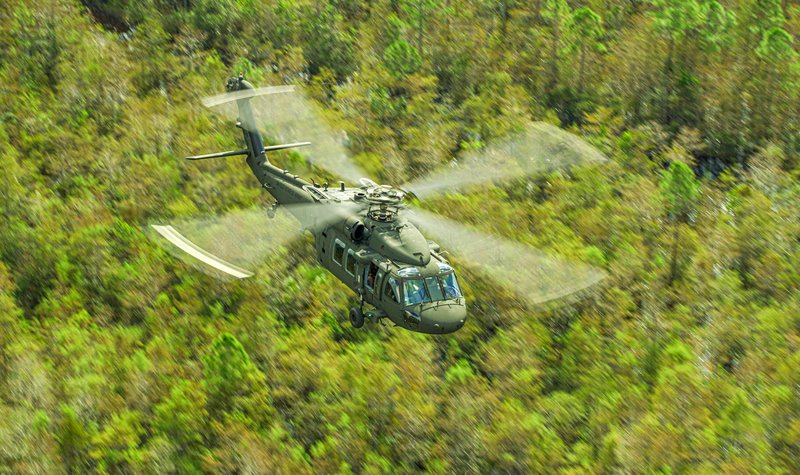
The UH-60M is the latest variant of the UH-60, a workhorse multirole helicopter that continues to attract further orders from across the globe. With further modernisation upgrades underway, the platform is expected to remain in operation until 2050.
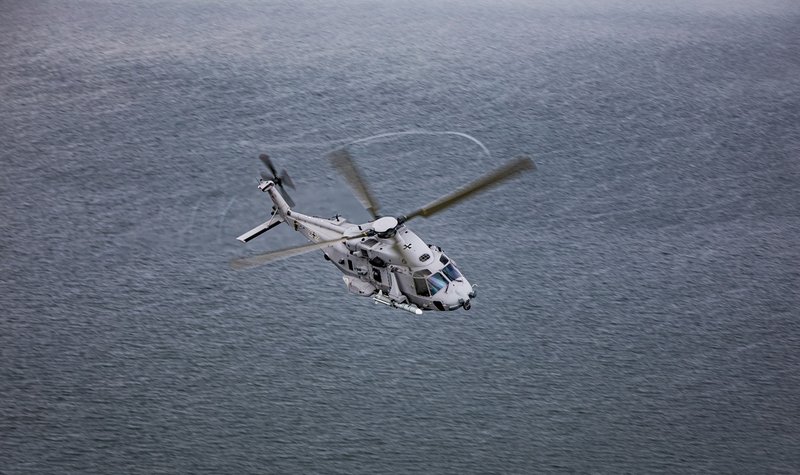
Developed in response to NATO’s needs, NHIndustries’ NH90 remains a cornerstone of European and Middle Eastern fleets – with upgrades planned to extend and improve the capabilities of the versatile and capable platform.
Growing capability gaps caused by ageing Soviet-era platforms in Africa and Asia are creating opportunities, as disrupted supply chains and sanctions open the door for Western manufacturers to expand into these markets.
From its emergence as a ground-breaking design in the 1950s to its widespread deployment in diverse operations worldwide, the Chinook continues to leave an indelible mark on the aviation landscape. Shephard sums up the helicopter’s latest d...
With some Eastern European countries already upgrading their helicopter fleets to incorporate Western technology, the region presents potential future opportunities for defence companies.
The NATO agency gave further updates on the next stages of its rotorcraft programme and timelines for the next three years, with the initiative aimed at replacing ageing medium-lift helicopters in various NATO countries.
The Proteus demonstrator is being pitched as a key platform showcasing the UK’s capabilities to build autonomous systems, with Leonardo in ongoing discussions about the future of the programme with the Royal Navy and UK Ministry of Defence.
Expanded fighter jet and missile production, next-generation engine cooperation and helicopter assembly deals have all been struck between the two countries, signalling a strengthening bilateral partnership between France and India.
Airbus has delivered more than 2,000 helicopters to nations across Europe, and continues to solidify its position at the heart of the region’s defence industrial base.
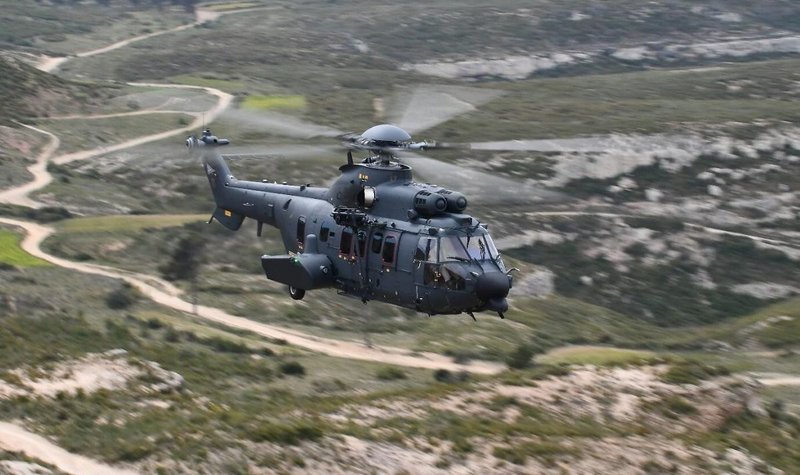
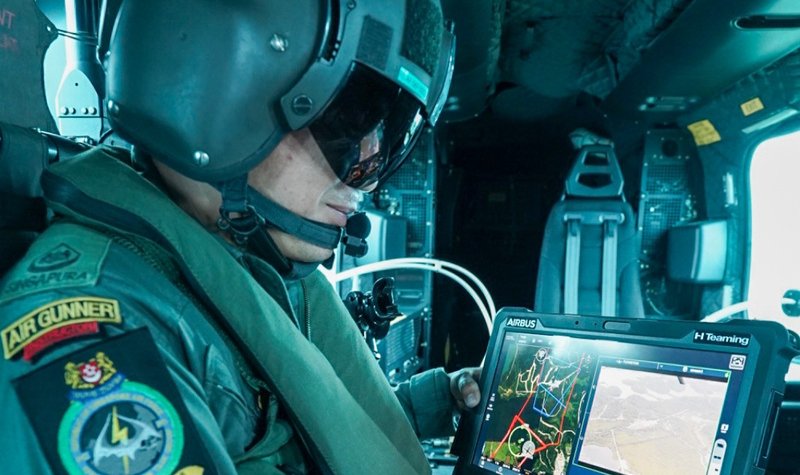
The tests between a Republic of Singapore Air Force H225M and Airbus Flexrotor uncrewed aerial system were designed to allow the crew to receive and process real-time data from the UAS while maintaining direct command and control.