Read the latest military helicopter news from our team of expert journalists and analysts, giving you the 'so what' behind the latest military rotorcraft headlines.
Bell Boeing will supply 73 additional ODSSHI kits as NAVAIR prepares to introduce predictive drive-system monitoring across US and Japanese V-22 fleets.
With IMRH and DBMRH potentially years from service, India faces a widening rotary-wing capability gap that could drive further foreign purchases even as HAL and Safran build the foundations of an indigenous successor.
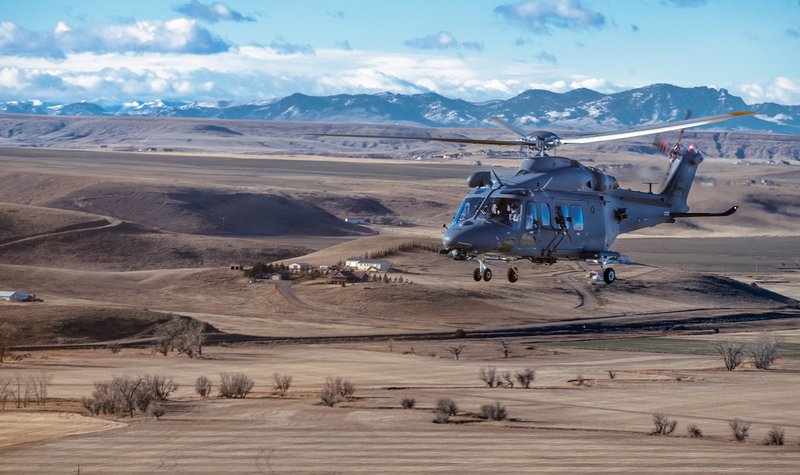
The Grey Wolf has entered operational service nearly three years later than originally planned, while new sustainment contracts indicate that some UH-1Ns could remain supported until 2031.
Extended reality (XR) is becoming increasingly relevant in military aviation training, adding a flexible layer to an integrated ecosystem spanning the pilot, crew, and maintenance domains.
The US Marine Corps is testing a redesigned input quill assembly and plans to transition its MV-22B fleet to improved gearboxes by January 2033 as it prepares to operate the tiltrotor through 2055.
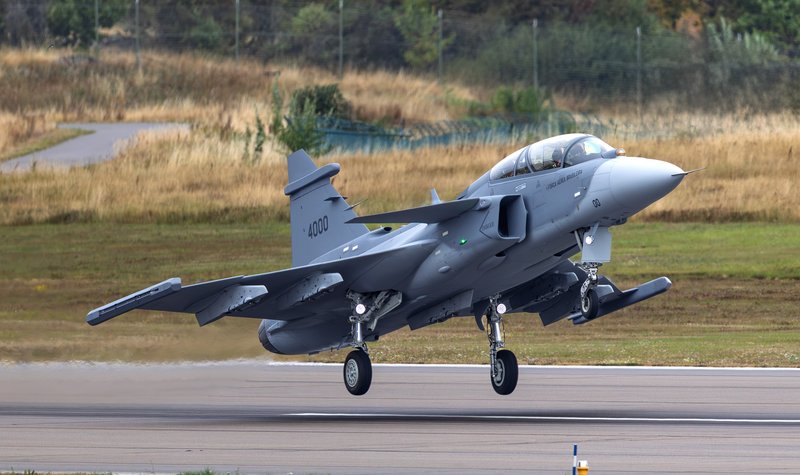
Sweden is an outlier as a smaller nation with its own indigenous fighter aircraft and airborne early warning platform and is now looking at how local company Saab Aerospace can meet the plans for a collaborative combat aircraft.
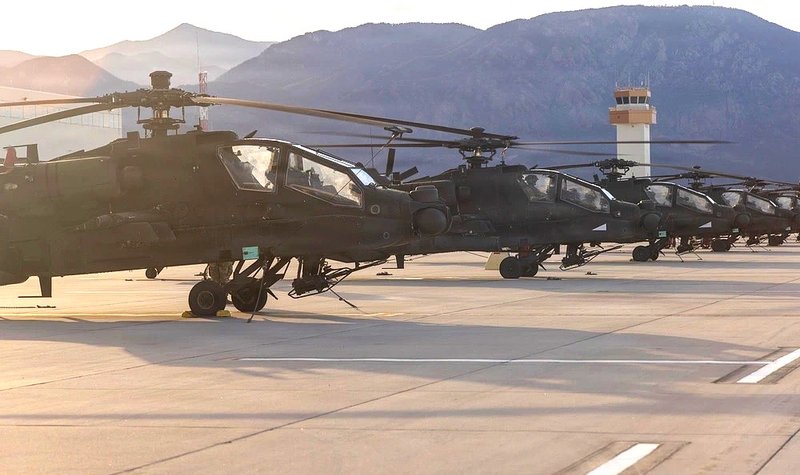
The rapid return to training leaves international AH-64 operators without a public explanation of whether the Fort Hood accident involved a potentially shared technical or maintenance risk.
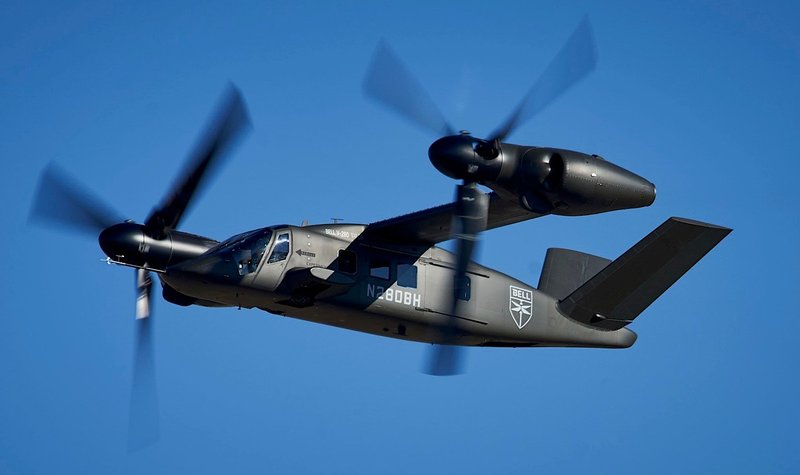
The US Department of Defense has requested new contracting authorities from Congress, using the Army's MV-75 Cheyenne programme to demonstrate how competition, digital engineering and closer industry collaboration could accelerate acquisiti...
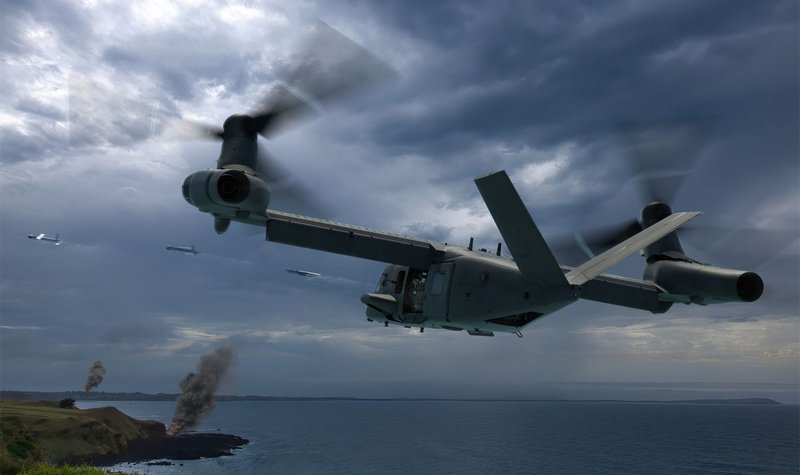
Bell Flight’s modular open-systems approach for the US Army’s MV-75 Cheyenne could open doors for international allies and suppliers once locked out by closed rotorcraft architectures.
Lorenzo Mariani’s Farnborough remarks on the prospect of Germany joining the Global Combat Air Programme struck a cautious tone, as he welcomed Canada’s arrival as the programme’s first observer nation.
Anduril has revealed Thunder, an autonomous tiltrotor rotorcraft designed as a loyal wingman for the Boeing Apache attack helicopter, ahead of Farnborough International Airshow 2026.
The UK advanced its long-delayed New Medium Helicopter programme in March with a £1 billion order for 23 Leonardo AW149s. While the deal could provide a foundation for further UK and European export orders, funding pressures and previous de...
As the home of British helicopters, Leonardo has worked with the UK Ministry of Defence for over a decade to advance technologies underpinning uncrewed rotorcraft. Today, in partnership with UK Defence Innovation and the Royal Navy, Leonard...
B-52 modernisation, Sentinel, MH-139A, T-7A and Air Force One replacement are among the US Air Force programmes the GAO says remain at risk of further schedule slips and cost growth due to acquisition and management challenges.